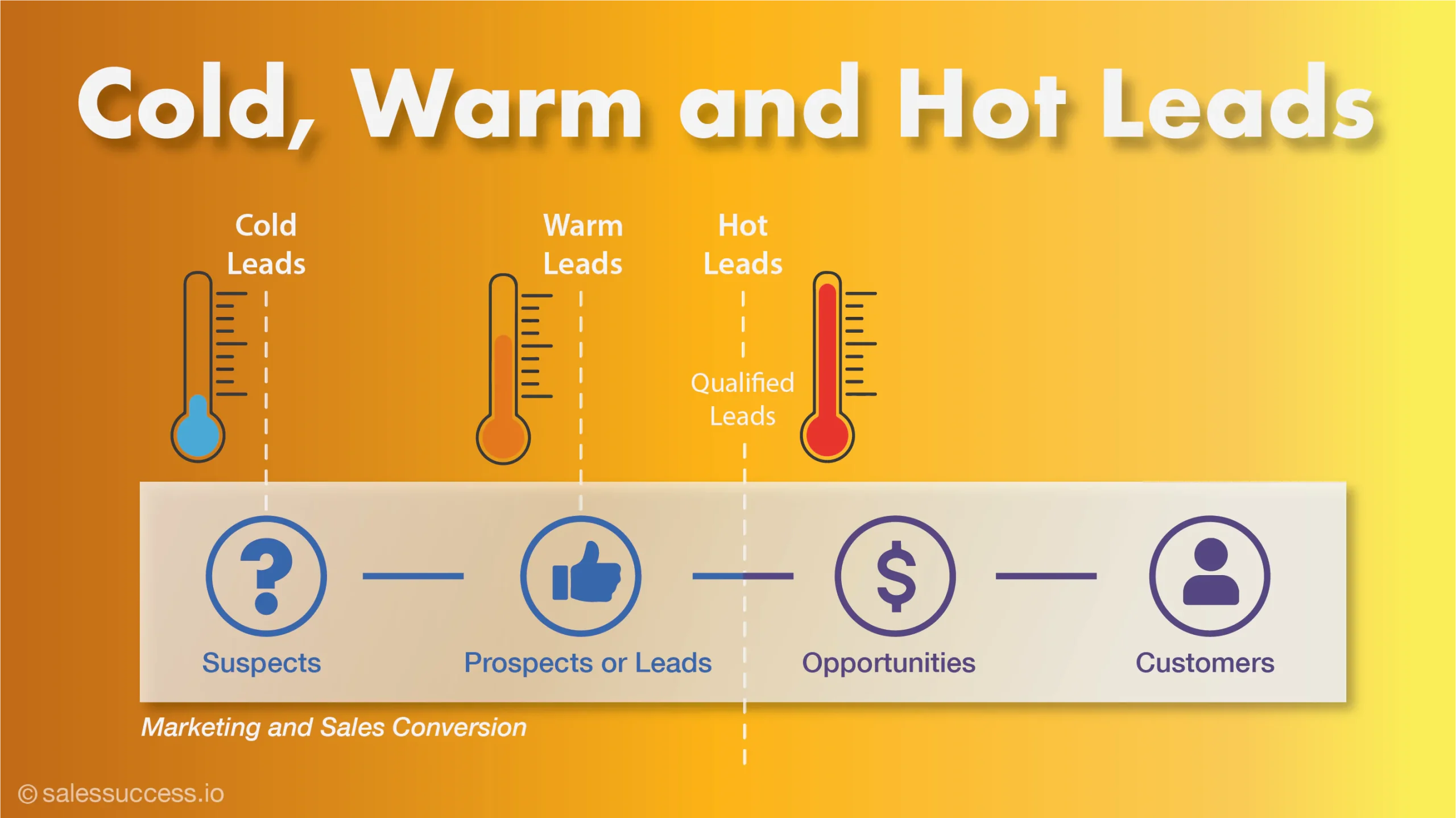
When it comes to sales and marketing, understanding the difference between warm and cold leads can make or break your conversion strategy. Both types of leads represent potential customers, but they are at very different stages of the buyer’s journey. Knowing how to approach each type effectively helps businesses allocate resources wisely and achieve better results. Whether you’re reaching out for the first time or nurturing existing interest, tailoring your communication style is key.
Cold leads are potential customers who have had little to no prior contact with your brand. They might have never heard of your business or shown any interest in your products or services. Since they’re unfamiliar with what you offer, a direct sales pitch often doesn’t work. The goal with cold leads is to build awareness and trust. Use educational content, social media ads, and email introductions to gently introduce your business. A soft approach that provides value like tips, guides, or free resources can help turn curiosity into genuine interest.
On the other hand, warm leads already know about your brand and have shown some level of engagement. They might have visited your website, signed up for a newsletter, downloaded a free resource, or interacted with your content. These leads are much closer to making a purchase decision and require a different strategy. Instead of focusing on awareness, your efforts should shift toward nurturing their interest. Personalized follow-ups, targeted offers, and meaningful communication help build relationships and encourage them to take the next step.
Handling warm leads effectively requires a personalized touch. Since these individuals already recognize your brand, your messaging should focus on addressing their needs and offering solutions that align with their goals. Use email automation, retargeting campaigns, and personalized recommendations to show that you understand their journey. The key is to provide value without being overly pushy, allowing the lead to feel in control while staying engaged with your brand.
For cold leads, patience and consistency are essential. Avoid aggressive sales tactics that can push potential customers away. Instead, focus on storytelling, building credibility, and demonstrating your expertise. Share success stories, case studies, and client testimonials to show how your brand has made a difference for others. Over time, these cold leads can warm up as they start to recognize your reliability and the value you provide.
In conclusion, both warm and cold leads have their place in a successful marketing strategy, but they demand different approaches. Cold leads need education and trust-building, while warm leads require nurturing and personalized attention. By understanding the mindset of each group and tailoring your communication accordingly, businesses can move leads more efficiently through the sales funnel and increase overall conversions. Remember, successful lead management isn’t about the quantity of leads it’s about the quality of relationships you build along the way.